

A Buyer’s Checklist: What to Look for in a Pre-Owned Chevy Before Spring Hits
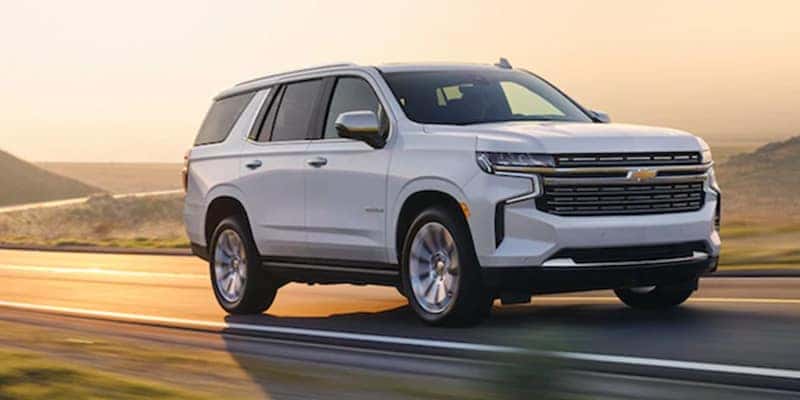
Shopping for a pre-owned Chevy in February is kind of a cheat code: cold mornings, road salt, and freeze-thaw potholes have a way of revealing the stuff you really want to know before you buy. And with spring rain (and weekend road trips) right around the corner, now’s the perfect time to make sure the vehicle you’re considering is ready for whatever New England throws at it next.
Below is a simple, buyer-friendly checklist you can use while you browse pre-owned Chevys—whether you’re looking at an Equinox for commuting, a Silverado for work, or an EV for everyday driving around the Merrimack Valley.
Shop Used Chevys Around Lowell
1) Tires: February is when tread tells the truth
Tires are your first “winter reality check.” Even a great-looking vehicle can hide the fact that the tires are nearly done—or wearing unevenly.
What to look for:
- Tread depth: If it’s getting low, it’ll show up fast in late-winter slush and early spring downpours.
- Uneven wear: Cupping, feathering, or one-side wear can point to alignment or suspension issues.
- Matching set: Ideally, all four tires match (same brand/model/size).
- Sidewall condition: Watch for cracks, bubbles, or cuts—especially after a rough winter.
- AWD note (if equipped): On many AWD vehicles, big differences in tread depth front-to-rear can be a red flag.
Quick local test-drive tip: If your drive includes a mix of steady cruising and lane changes—like hopping onto I-495—pay attention to any vibration, pulling, or steering “wandering.” Tires often give it away.
2) Brakes: listen, feel, and don’t ignore the “little shimmy”
Brakes can feel different in cold weather, but they shouldn’t feel bad. February test drives are great because any weakness tends to show up quickly.
What to check:
- Noise: Grinding is a hard no; squealing can mean wear or glazed pads.
- Pedal feel: It should feel firm and predictable—not spongy or sinking.
- Steering wheel shake when braking: Often points to rotor issues.
- Smooth stops: A gentle stop should feel… gentle.
Try this: In a safe area at low speeds (a parking lot is perfect), do a couple of normal stops and—if traffic and conditions allow—one slightly firmer stop. If it feels rough, chat about it before you move forward.
3) EV and plug-in check: range, charging habits, and what to ask
If you’re considering an EV or plug-in Chevy, February is actually a helpful time to test it—because you’ll see how it behaves in real cold-weather conditions.
What to look for on the vehicle itself:
- No warning messages on the dash or in the infotainment system
- Charging port condition: clean, closes properly, no damage
- Included charging equipment (if applicable): make sure it’s present and in good shape
- Range expectations: cold weather can reduce range temporarily, so focus on consistency and overall condition
Questions worth asking (EV/plug-in):
- “Was it mostly home-charged or frequently DC fast-charged?”
- “Are there any charging accessories included?”
- “Can you show me what the car displays for charging and energy info in the settings?”
Local angle: If your routine includes quick hops around town and longer drives out toward Chelmsford or Billerica, you’ll want an EV that fits your pattern—not someone else’s.
4) Wipers, washer, defrosters, and lights: spring rain is coming
This is the “don’t overlook it” category—because these small things become big annoyances the first time you get caught in a cold rain at dusk.
Checklist:
- Wiper blades: streaking, chattering, torn rubber
- Washer spray pattern: does it actually hit the windshield evenly?
- Front defroster: clears quickly and blows strong
- Rear defroster (if equipped): warms evenly and works fast
- Headlights/taillights: clear lenses, no fogging/moisture inside housings
- Turn signals + brake lights: confirm everything is bright and consistent
Quick local test-drive tip: After a few minutes driving, hit the defroster and see how quickly it clears. You’ll be grateful the first time you’re stuck in wet traffic near the Lowell Connector.
5) Remote start and heated features: comfort that’s worth confirming
Remote start and heated features can be a game-changer in late winter—if they work properly. If the vehicle has them, test them.
What to test (if equipped):
- Remote start: consistent start, no error messages, reasonable key-fob range
- Heated seats: warm up evenly (not just one spot)
- Heated steering wheel: check for consistent heat
- Heated mirrors: nice for rainy mornings and leftover winter grime
- Climate controls: fan speeds, temperature changes, vents switching correctly
Local angle: Whether you’re warming up before school drop-off or commuting across town, these features are “small luxury” that feels very real in February.
6) Suspension and steering: listen for the winter wear-and-tear clues
Winter roads can be rough—freeze/thaw, potholes, and everything that comes with them. Suspension issues often show up as sound or feel.
What to watch for:
- Clunks over bumps or when turning
- Rattles that seem to come from the front end
- Pulling left/right on a straight stretch
- Steering that feels loose or unusually stiff
Easy test-drive idea: Drive on a road with a few bumps and dips at normal speed. If you hear repeated clunks or feel harsh impacts, note it and ask about it.
7) Under-the-hood basics: a quick look can tell you a lot
You don’t need to be a mechanic to do a quick “common sense” check.
Look for:
- Clean, consistent fluids: no burnt smells, no obvious leaks
- Corrosion on the 12V battery terminals (gas vehicles): winter can be hard on batteries
- Hoses and belts: not cracked, not fraying
- Strange smells after the test drive: sweet (coolant) or burnt (oil/other) smells are worth a conversation
If you’re not comfortable checking these yourself, that’s totally normal—just ask a team member to walk you through it.
8) The February test drive: a simple plan that reveals the most
Instead of a random loop, do a test drive with three mini-moments:
- Stop-and-go (listen for brake noise, feel smooth acceleration)
- Steady-speed cruising (watch for vibration or drift)
- A few bumps and turns (listen for clunks, feel suspension response)
This combo gives you a realistic feel for how the vehicle will handle commuting, errands, and weekend driving once spring hits.
Questions to ask before you buy a pre-owned Chevy
Bring this list on your phone and use it like a checklist.
History and condition
- Do you have a vehicle history report I can review?
- Has the vehicle had any recent work done (tires, brakes, battery, alignment)?
- Are there any warning lights, messages, or open service items?
Winter + New England reality
- How old are the tires?
- Have the brakes been inspected recently?
- Any signs of underbody corrosion from road salt?
- Does everything work as expected in cold weather (heat, defrosters, remote start if equipped)?
If it’s an EV or plug-in
- How was it typically charged (home Level 2 vs. frequent DC fast charging)?
- Are charging cables/equipment included?
- Can you show me the charging/energy info the vehicle provides in the settings?
Ownership details
- How many keys/fobs come with it?
- What warranty coverage applies (if any), and what options are available?
- Has it been inspected and serviced prior to sale?
Final thought: buy now with spring in mind
A February purchase can be a smart one—because you’re shopping in conditions that expose the important stuff. If the tires, brakes, wipers, heat, and (if applicable) range/charging all check out now, you’re setting yourself up for a smoother spring—rainy commutes, weekend plans, and everything in between.
If you want a second set of eyes while you shop, swing by Nucar Chevrolet of Lowell at 831 Rogers St, Lowell, MA 01852. We’ll walk through this checklist with you during your visit and test drive—no pressure, just helpful.
Everyone loves a Nucar!
0 comment(s) so far on A Buyer’s Checklist: What to Look for in a Pre-Owned Chevy Before Spring Hits